 15
15
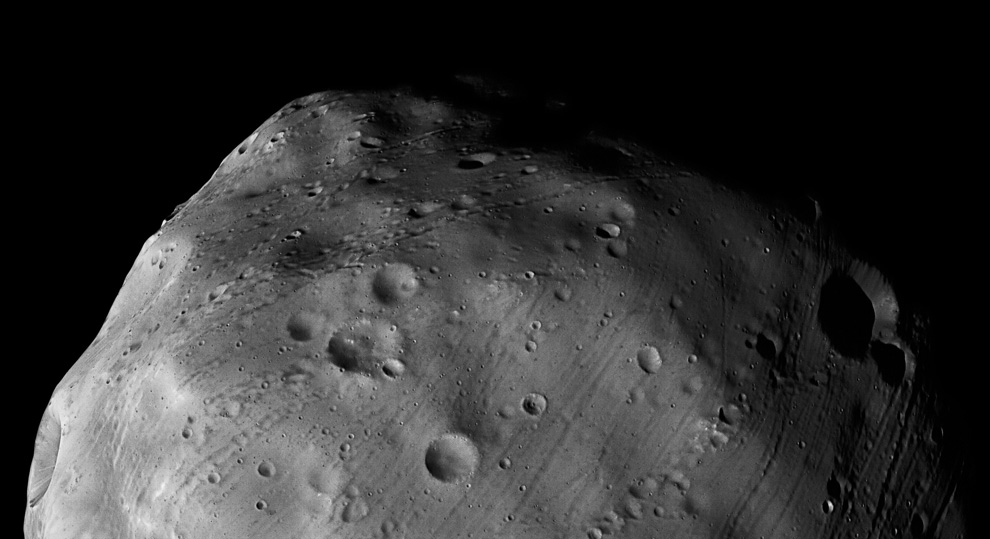
The High Resolution Stereo Camera (HRSC) onboard the ESA spacecraft Mars Express took this image of Mars' moon Phobos on 7 March 2010. (ESA)
#  16
16
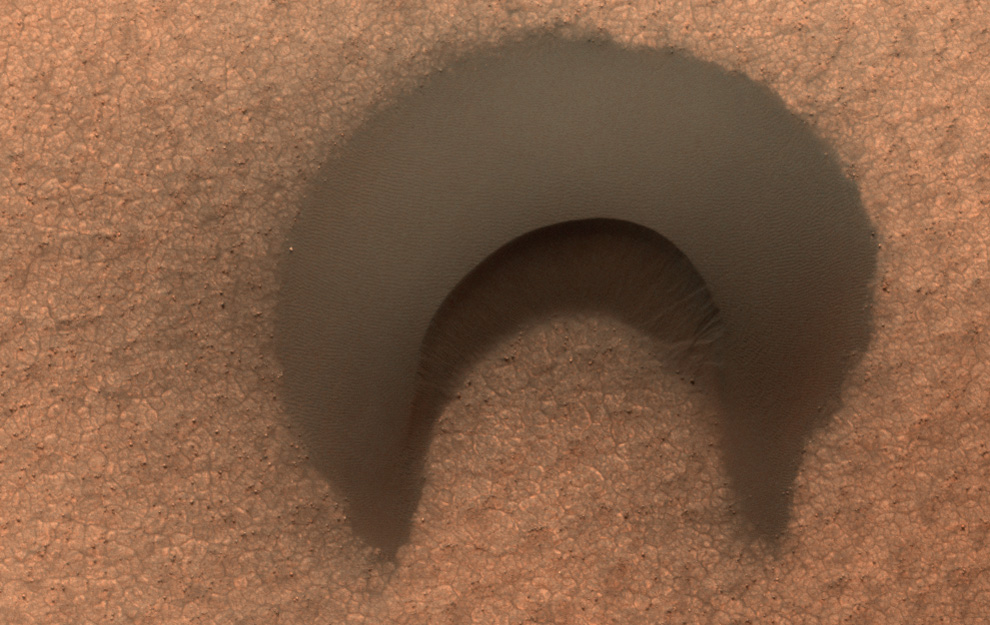
A single dune on the surface of Mars, seen by the High Resolution Imaging Science Experiment camera (HiRISE) on board the Mars Reconnaissance Orbiter (MRO) at 2:11pm local Mars time on July 9th, 2010. (NASA/JPL/University of Arizona )
#  17
17
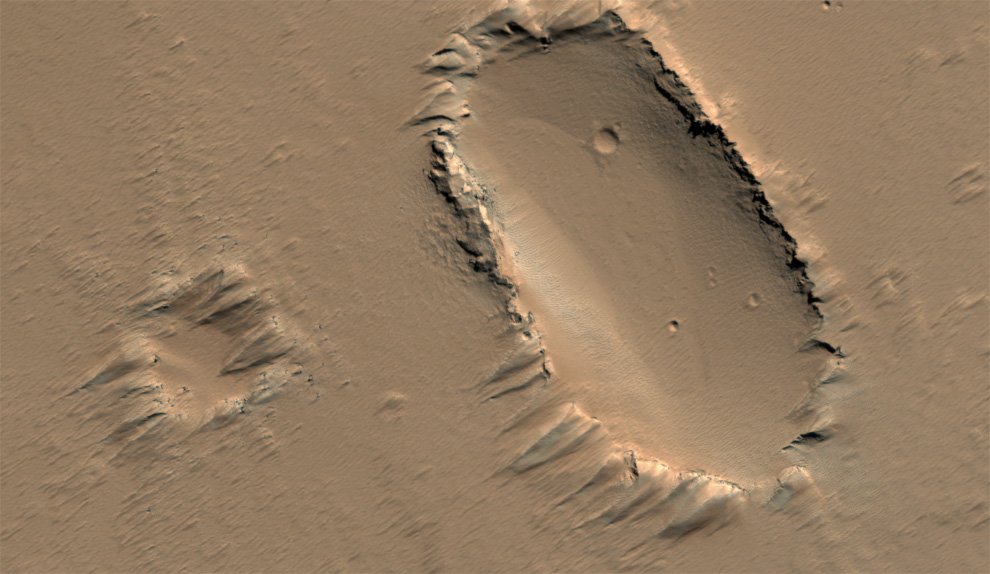
Windblown features are visible on this shield volcano structure in Mars' Tharsis Region seen by NASA's HiRISE camera on July 31st, 2010. (NASA/JPL/University of Arizona)
#  18
18
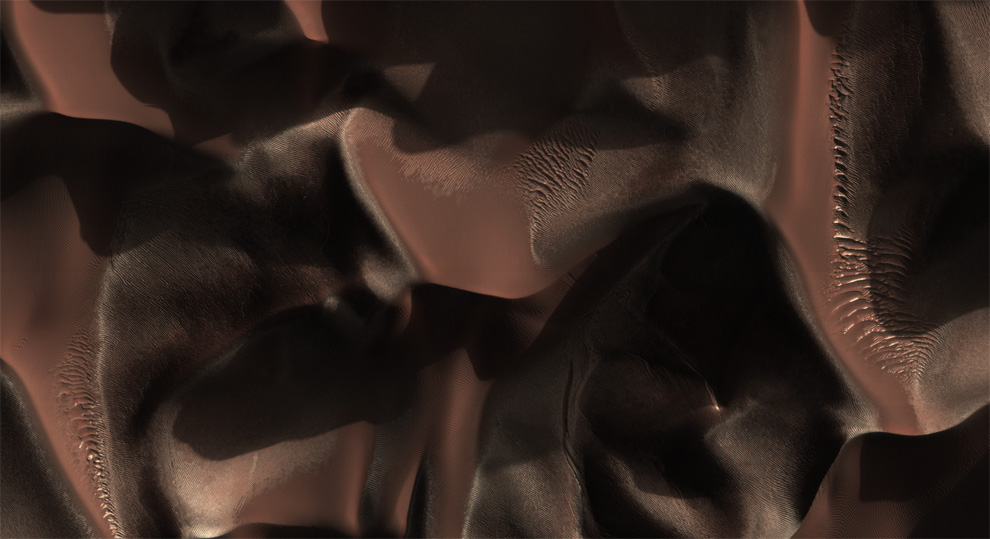
Dune gullies in Mars' Matara Crater, seen by NASA's HiRISE camera orbiting Mars on July 24th, 2010. (NASA/JPL/University of Arizona)
#  19
19
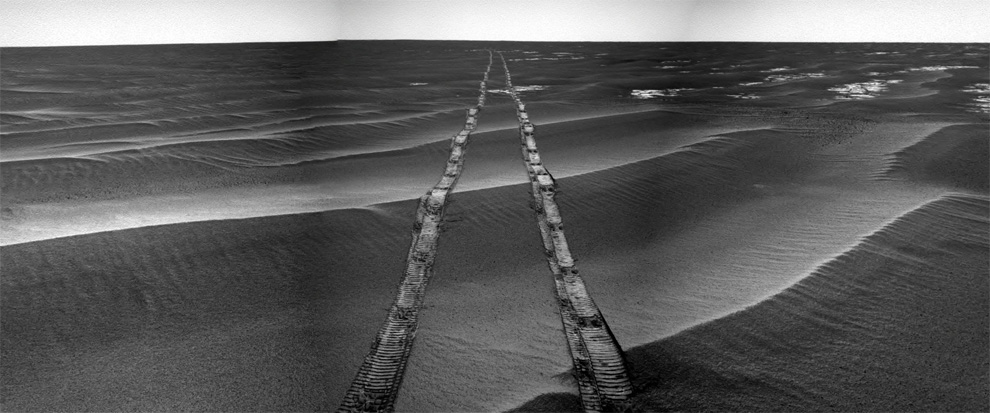
NASA's Mars rover Opportunity looks back at its tracks in the Martian soil on Sol 2321 (August 4th, 2010) (NASA/JPL)
#  20
20
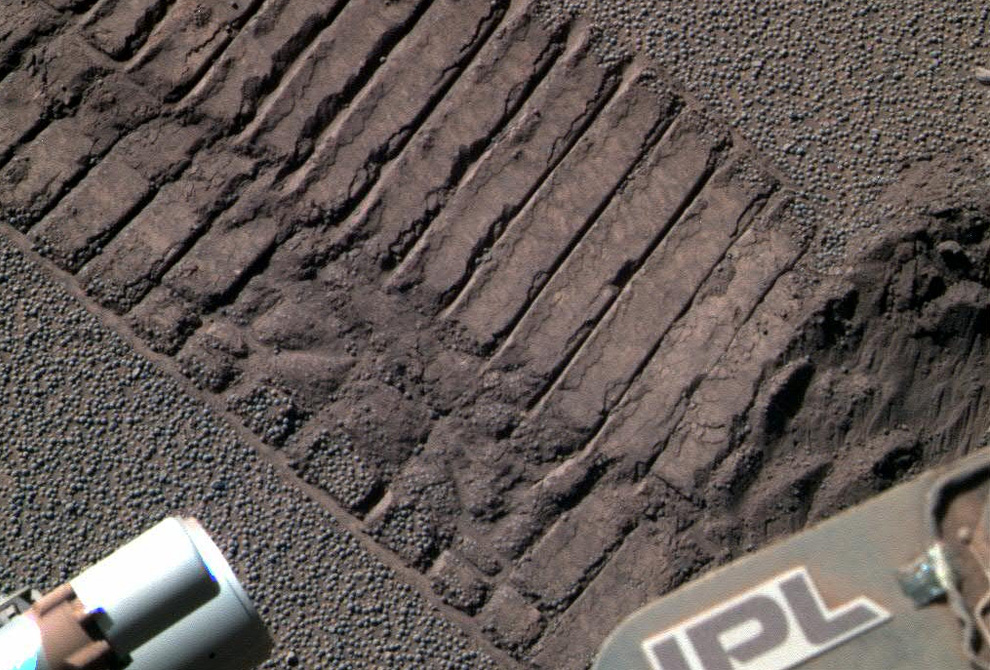
NASA's Mars rover Opportunity points its Panoramic Camera at the soil, seeing a bit of itself and a closer view of its tracks on June 23rd, 2010. (NASA/JPL)
#  21
21
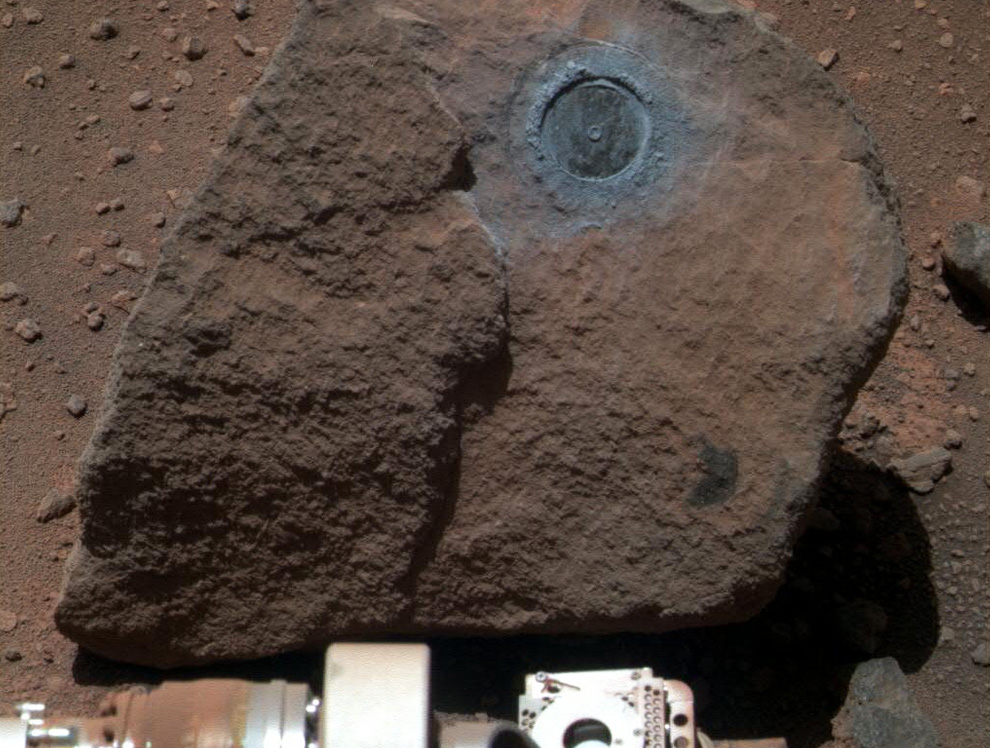
NASA's Mars rover Opportunity looks at a section of a rock where it ground away the outer layer to examine the material closer on January 7th, 2010. (NASA/JPL)
#  22
22
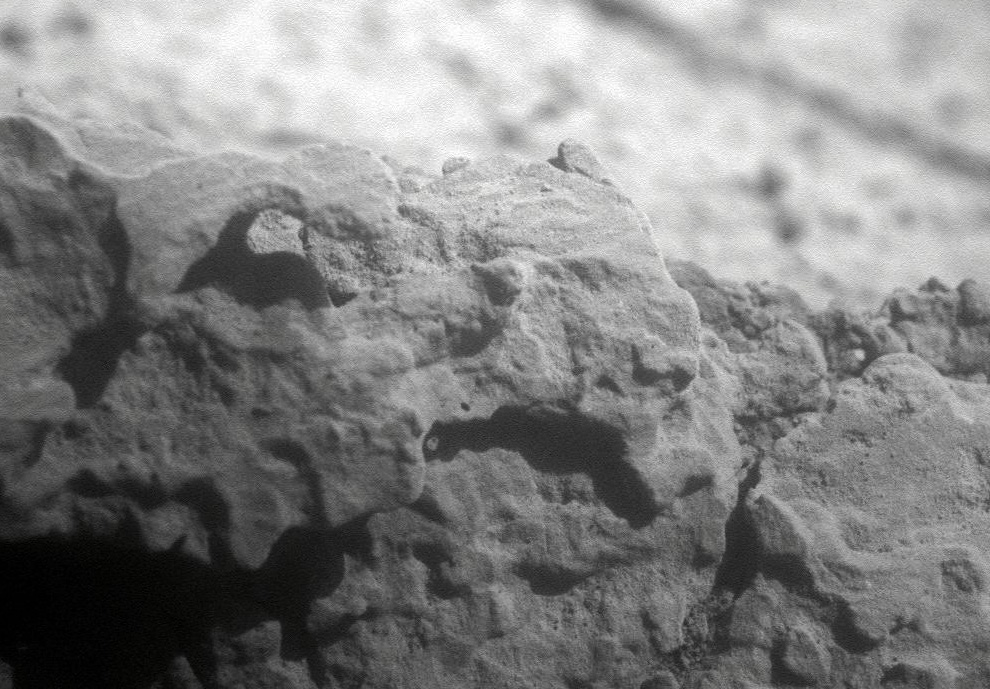
NASA's Mars rover Opportunity uses its microscopic camera to get a closer view of a rock on the surface of Mars on February 17th, 2010. (NASA/JPL)
#  23
23
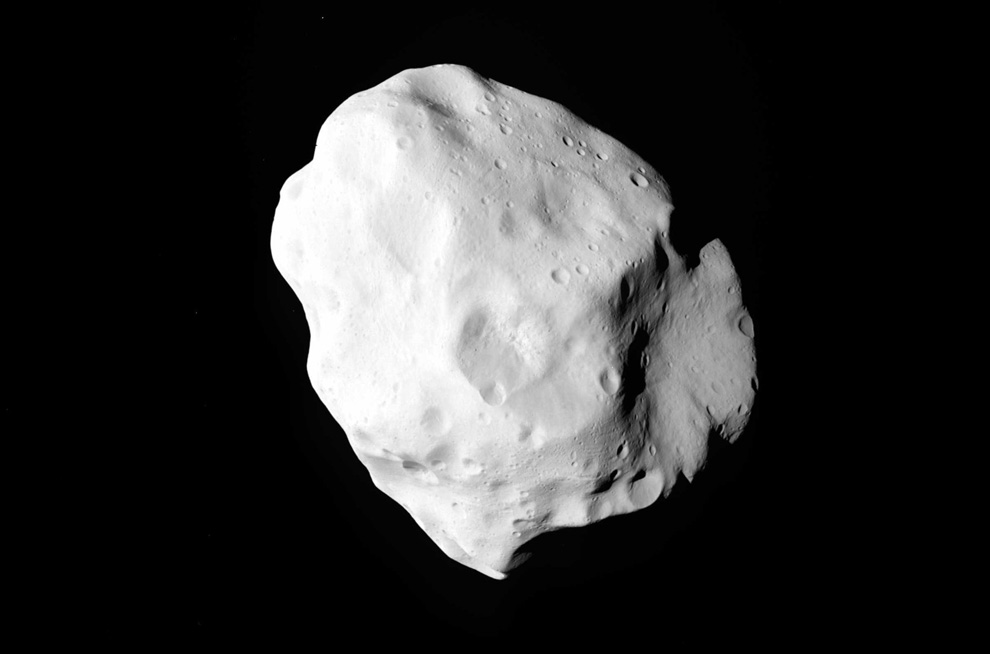
This photo provided by the European Space Agency (ESA) on July 10, 2010 shows the asteroid "Lutetia" shot by the comet chaser "Rosetta". The European Space Agency has taken the closest look yet at asteroid Lutetia in an extraordinary quest some 280 million miles in outer space between Mars and Jupiter. The comet-chaser Rosetta transmitted its first pictures from the largest asteroid ever visited by a satellite Saturday night July 10, 2010 after it flew by Lutetia as close as 1,900 miles (3,200 kilometers), ESA said in Darmstadt, Germany. (AP Photo/ESA)
#  24
24
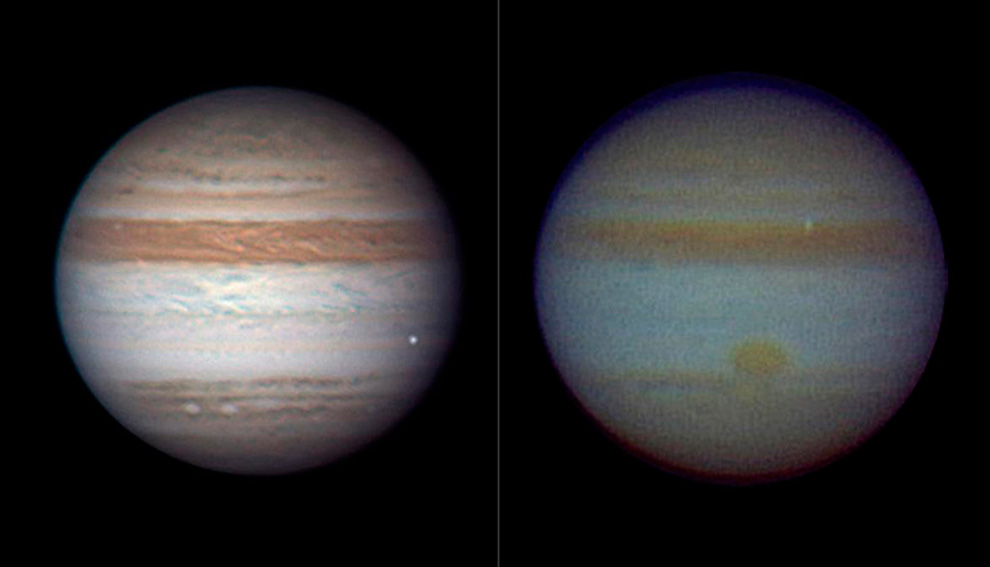
In these photographs released by NASA September 9, 2010, a fleeting bright dot on each of these images of Jupiter marks a small comet or asteroid burning up in the atmosphere. The image on the left was taken on June 3, 2010, by amateur astronomer Anthony Wesley, in Broken Hill, Australia, when he obtained the image with a 37-centimeter (14.5-inch) telescope. Wesley's image is a color composite. The fireball appears on the right side of Wesley's image. The color image on the right was taken by amateur astronomer Masayuki Tachikawa, of Kumamoto, Japan, on August 20, 2010. The fireball appears in the upper right of Tachikawa's image. (REUTERS/NASA)
#  25
25
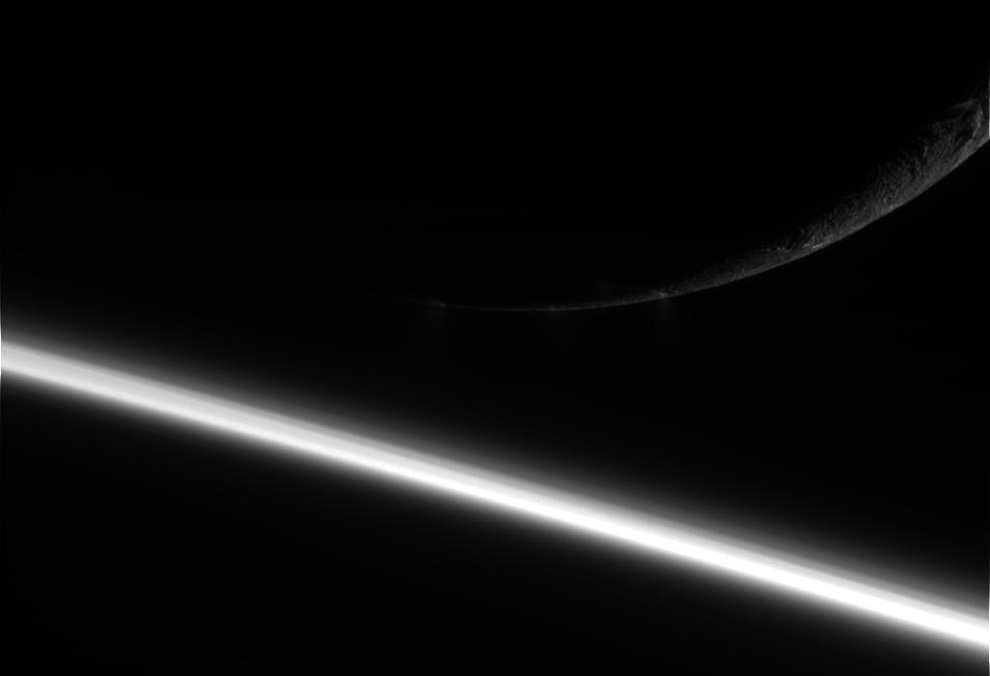
A view of Saturn and its moon Enceladus, taken by NASA's Cassini spacecraft on August 13, 2010. (NASA/JPL/Space Science Institute)
#  26
26
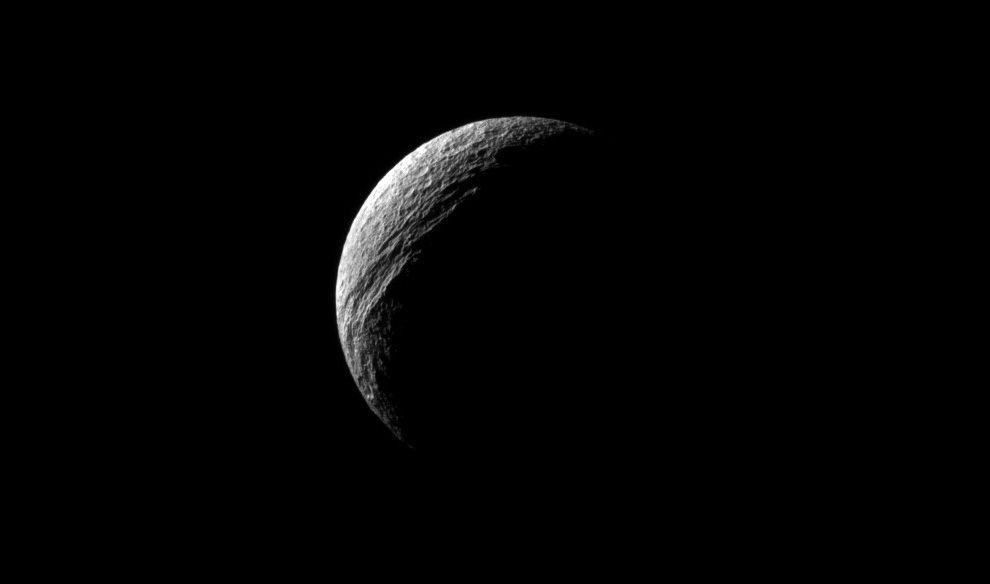
Sunlight illuminates the deep cut of 1,000-km-long Ithaca Chasma on Saturn's moon Tethys. Seen by by NASA's Cassini spacecraft on June 2, 2010. (NASA/JPL/Space Science Institute)
#  27
27
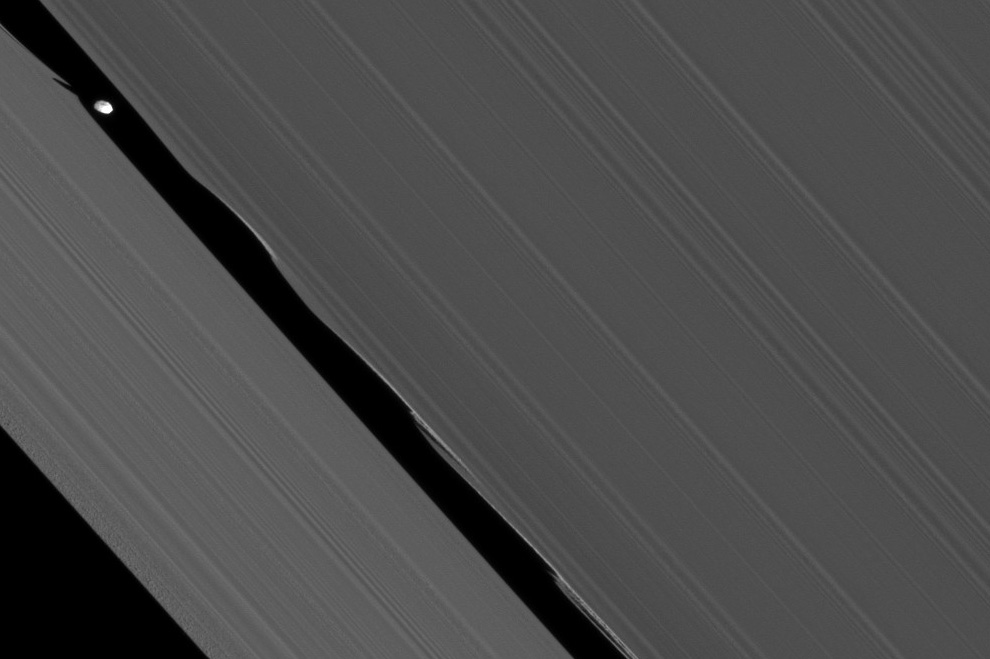
Cassini sees one of its closest views of Saturn's ring-embedded moon Daphnis yet, only about 75,000 kilometers (47,000 miles) away on July 5th, 2010. (NASA/JPL/Space Science Institute)
#  28
28
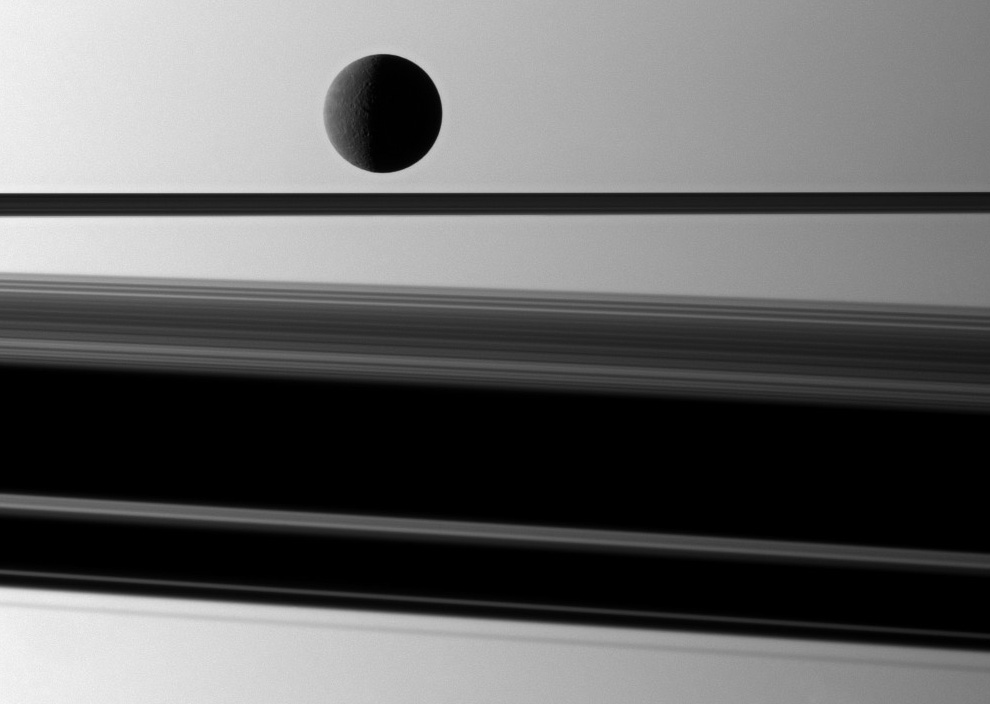
Saturn's moon Rhea (1528 km or 949 mi across) is gently lit in front of a background of the planet with a wide shadow cast by the rings which are seen nearly edge-on, seen by Cassini on may 8th, 2010. (NASA/JPL/Space Science Institute)
#  29
29
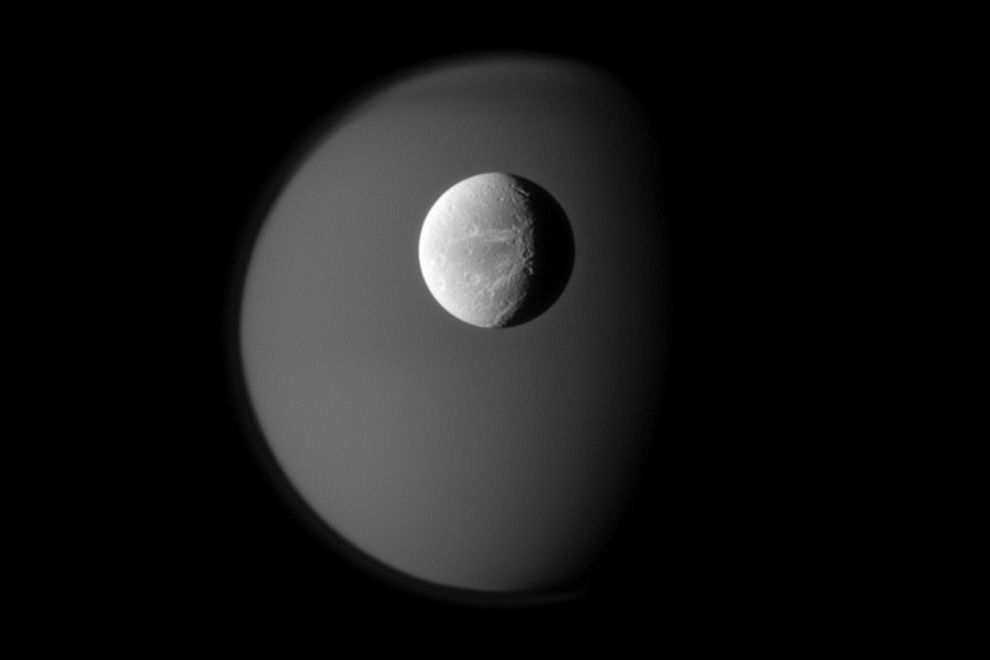
The surface of Saturn's moon Dione is rendered in crisp detail against a hazy, ghostly Titan on April 10, 2010. The view was acquired by Cassini at a distance of approximately 1.8 million km (1.1 million mi) from Dione and 2.7 million km (1.7 million mi) from Titan. (NASA/JPL/Space Science Institute)
#  30
30
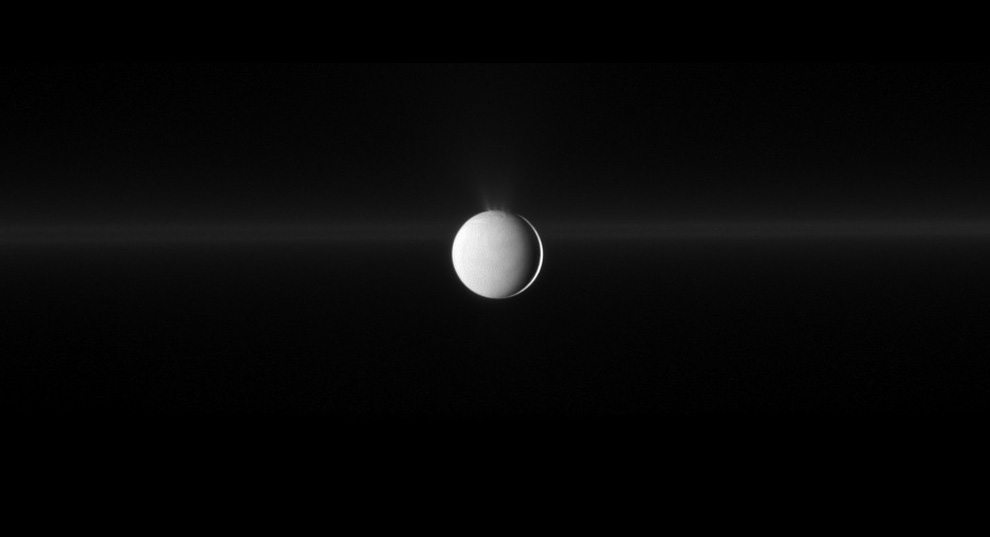
As Enceladus spews water ice from its south polar region, Cassini also shows Saturn's faint G ring before the moon, April 26th, 2010. (NASA/JPL/Space Science Institute)
#  31
31
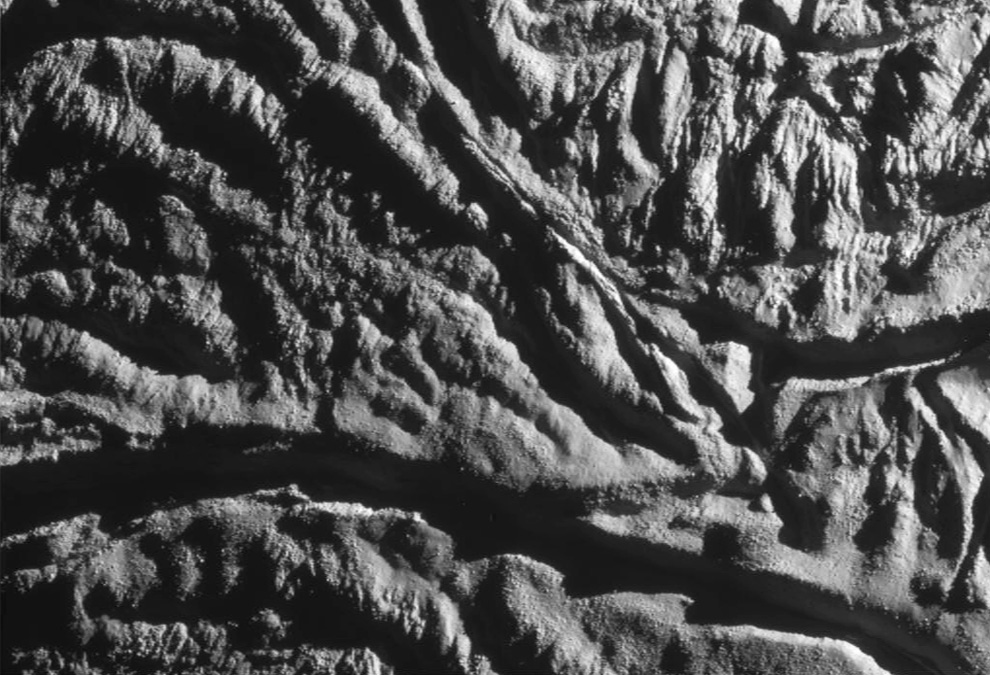
Cassini gets a close-up view of the surface of Saturn's moon Enceladus on August 13, 2010. (NASA/JPL/Space Science Institute)
#  32
32
A 30-frame sequence showing Cassini's approach to the icy plumes of Enceladus on August 13th, 2010. (NASA/JPL/Space Science Institute)
#